The Right to Health
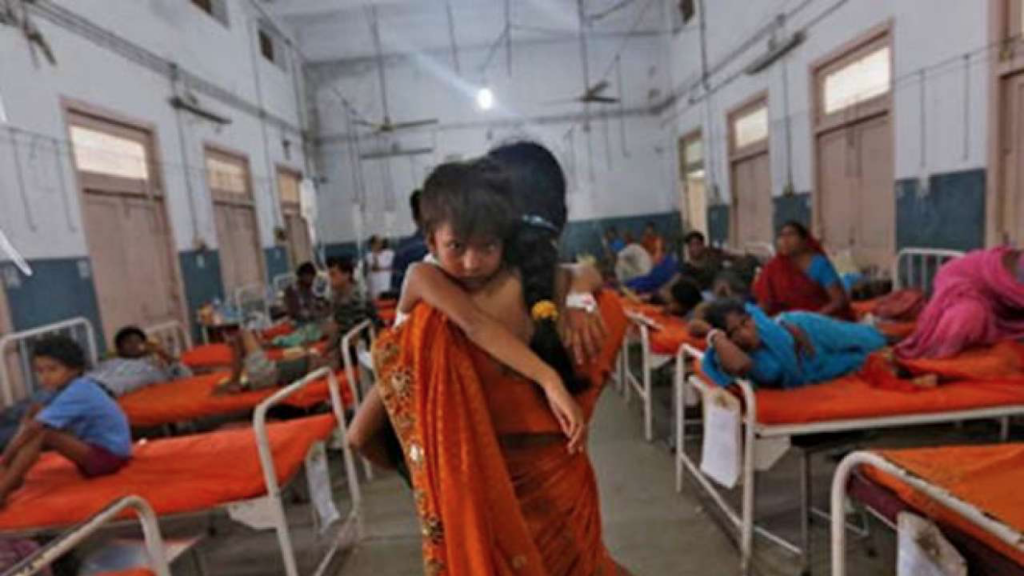
What do Latvia, Uruguay, and Senegal have in common? Other than very low COVID-19 fatalities, they also have a constitutional guarantee to the Right to Health.
As Europe closes down in its own unique way to battle the “second” wave of the pandemic, I am drawn to the notion that perhaps things would have turned out different if countries guaranteed to their citizens, the fundamental Right to Health. By this, I don’t mean just funding departments or ministries or enabling access to public healthcare. I mean, going a step further and guaranteeing this in national constitutions. Would that tip the scales on the pandemic? Would there be fewer fatalities? Would it influence behaviours?
I think it would.
First, a constitutional Right to Health would imply that every citizen has access not just to primary healthcare services, but also secondary and in events like the pandemic, tertiary healthcare that requires hospitalisation. To understand the different levels of healthcare, go here.
Second, it would bring within people’s reach vaccines that are not covered by Routine Immunisation programmes, such as the annual flu vaccines and hopefully soon, COVAX.
Third, this right would also require the provision of safe water and sanitation. Hygiene is key to maintaining health standards and sustaining behaviours. The fact that hand washing is promoted to fight all diseases, implies that the Right to Health should also guarantee safe water and sanitation.
Fourth, this would also change mindsets and attitudes towards health insurance. For although the product is available in many countries, it is severely limited in coverage in most.
Finally, and perhaps this is the most important, a constitutional Right to Health is a step towards achieving equity within society, in addition to gender equality. The present pandemic has not just exposed the gulf between the rich and the poor, and men and women, but also widened it. The elite can isolate in country estates and castles, at the same time, a single person infected with COVID-19 in an urban slum in India, would threaten the entire community. Women have borne the additional burden of childcare and domestic duties in addition to suffering unprecedented job losses all over the world.
Studies have examined whether a constitutional Right to Health in countries guarantees better health outcomes. One of these studies concludes, “the introduction of a Right to Health in a national constitution was significantly associated with reductions in both mean infant and under-five mortality rates. The effect was large in countries with high scores for democratic governance, whereas in countries with low scores for democratic governance, approximately half of the effect of introducing a constitutional Right to Health was present.”
Here’s another interesting tidbit: according to this study, while only 33 percent of the constitutions adopted prior to 1970 addressed at least one health right, 60 percent of those introduced between 1970 and 1979 included the right to health, public health and/or medical care. Three-quarters of the constitutions introduced in the 1980s, and 94 percent of those adopted in the 1990s, protected at least one of these rights. Only one of the 33 constitutions adopted between 2000 and 2011 did not protect at least one health right. And although a majority of countries have signed the Universal Declaration of Human Rights that contains within it, the Right to Health, few guarantee this as a fundamental right.
It is now time to bring in health guarantees and hold governments accountable for their citizens’ health.
The writer, and the other stuff.
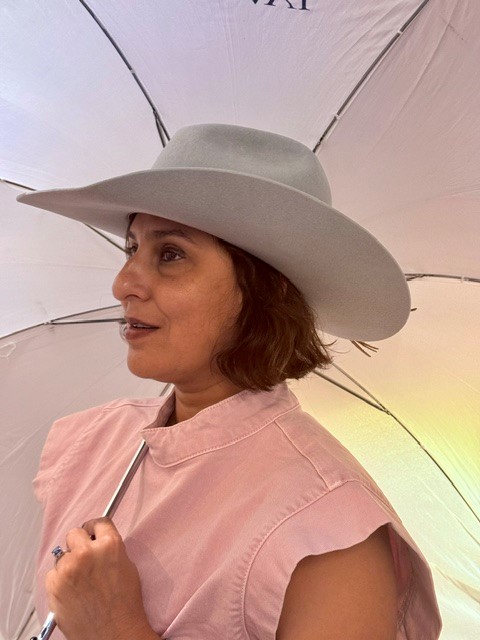
Hello. I’m Gitanjali — development practitioner, sometime author, full-time mother, and very part-time golfer. I’ve spent the last two decades working across South Asia, West Africa, and bits of the world in between, mostly on polio eradication, regional integration, global health, and gender.
This site is a collection of essays I started writing during the pandemic and never quite stopped. Some are field notes. Some are rants. Some are about the strange things you notice on a video call when you’re on your thousandth one. They are written from Switzerland, where I now live with my husband and our daughter.
Writing is how I figure out what I actually think. I publish in case any of it is useful — or, at minimum, mildly entertaining — to you.
If you’d like to get in touch, you can find me through the usual channels. Otherwise, thank you for reading.